
Tea is a big part of daily life in India. It shows up at breakfast, during office breaks, and whenever guests walk in. Few brands understand this simple, everyday habit as well as Wagh Bakri, one of Gujarat’s most loved tea companies.
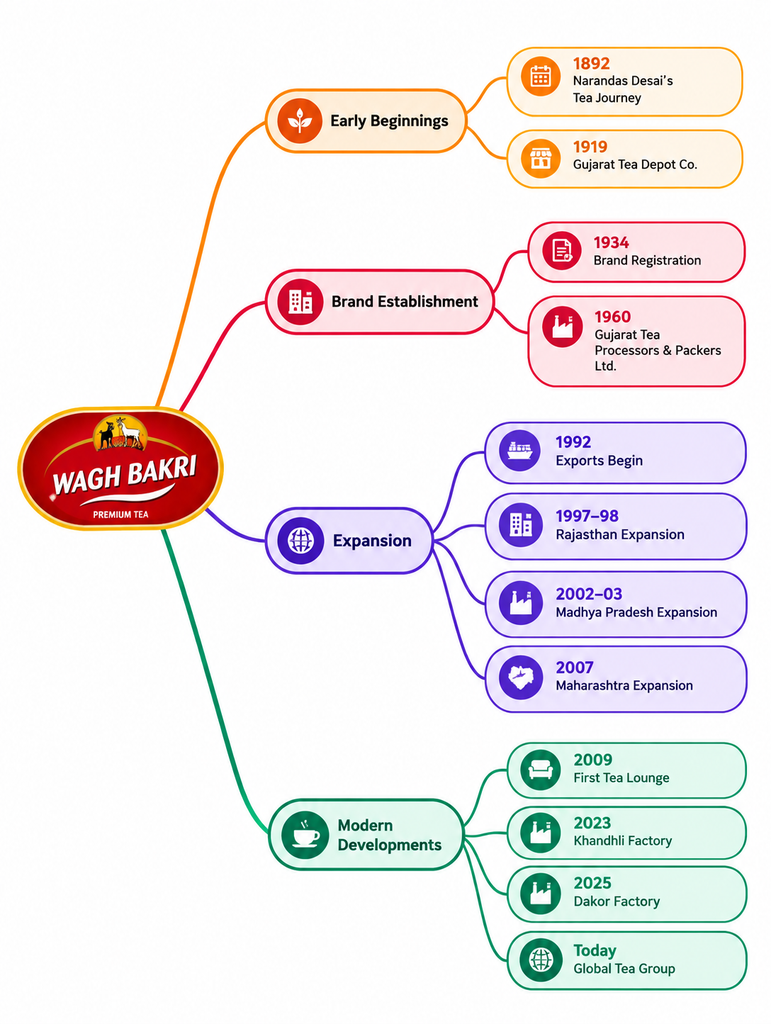
The story starts more than 130 years ago. According to the company, founder Narandas Desai began working with tea in South Africa in 1892. He later came back to India and opened The Gujarat Tea Depot Co. in Ahmedabad in 1919. The Wagh Bakri brand itself was registered in 1934.
What makes this brand worth talking about is that it never grew by selling tea alone. It grew through good quality, smart branding, wide distribution, and years of customer trust. Today, Wagh Bakri calls itself a global group of tea brands with over 30 tea variants and customers in several countries.
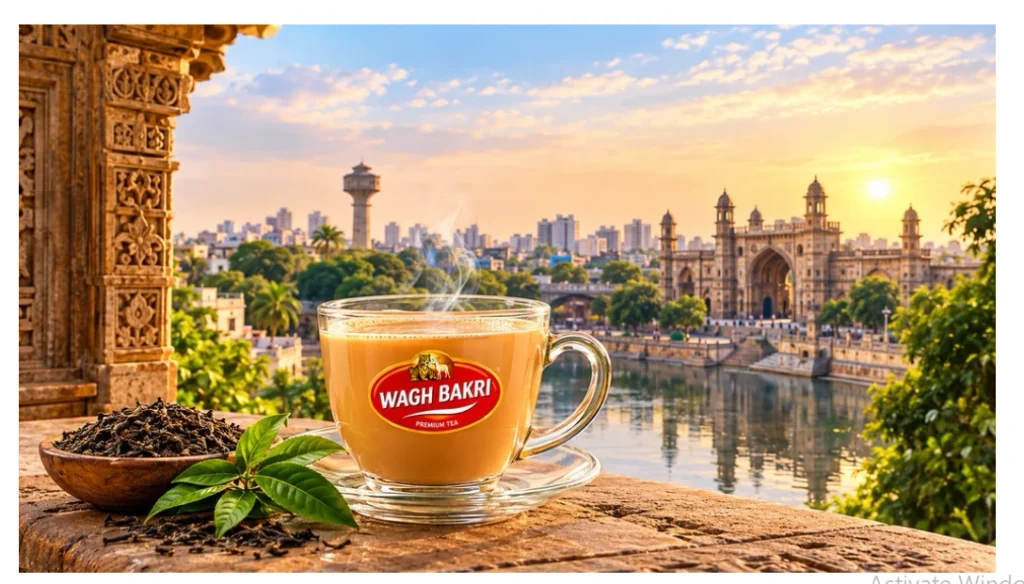
How Wagh Bakri Started
In 1892, Narandas Desai went to South Africa and worked closely with tea estates there. He learned how tea is grown, processed, and sold. The company says he later returned to India after facing racial discrimination in South Africa — a hard start that pushed him to build something of his own.
Learning the Tea Trade in South Africa
Most new business owners start with an idea. Narandas Desai started with real, hands-on experience. By the time he came back to India, he already understood tea from the ground up.
Starting The Gujarat Tea Depot Co. in Ahmedabad
In 1919, he opened The Gujarat Tea Depot Co. in Ahmedabad. His goal was simple — sell good tea to everyday Indian buyers, including mill workers who couldn’t always afford expensive brands. This small shop became the base for the Wagh Bakri brand, registered in 1934.
What Does the Wagh Bakri Logo Mean
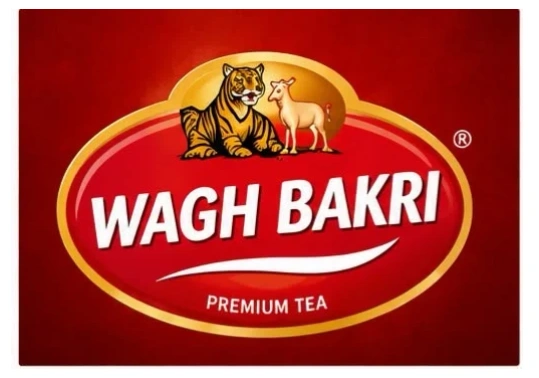
The name and logo gave the brand something people remember instantly:
- Wagh means tiger
- Bakri means goat
- These animals stand for two opposite sides
- Sharing one cup of tea stands for unity and peace
It’s a simple idea, but it turned a tea brand into a message — one of the earliest examples of good brand storytelling in Indian business.
The Man Behind the Brand
Narandas Desai’s Journey
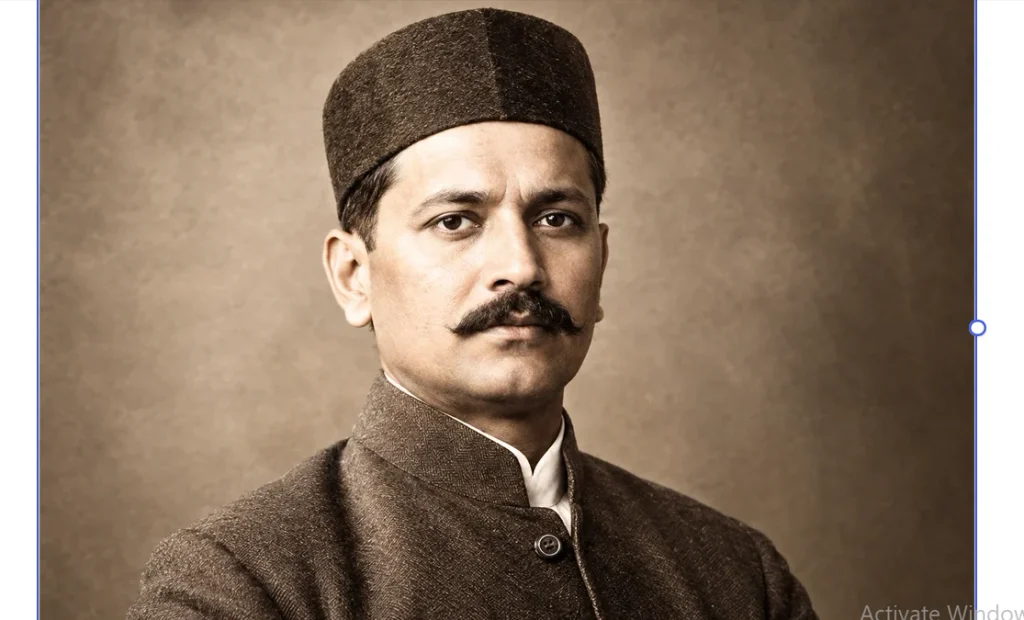
Narandas Desai’s story didn’t start in Ahmedabad — it started in South Africa, where he learned the tea business from scratch. Once he returned, he used that knowledge to build something rooted in quality, honesty and long-term relationships. The company still describes these as its core values today.
His sons — Ramdas Desai, Ochavlal Desai and Kantilal Desai — later joined the business and helped grow its retail and wholesale side. This family involvement is a big part of why the brand has lasted so long.
From Selling Tea to Building a Brand
Running the early business meant learning much more than just tea. The family had to understand sourcing, blending, retail, wholesale, customer taste, and quality control — all at once. This groundwork is what later made packaged tea possible.
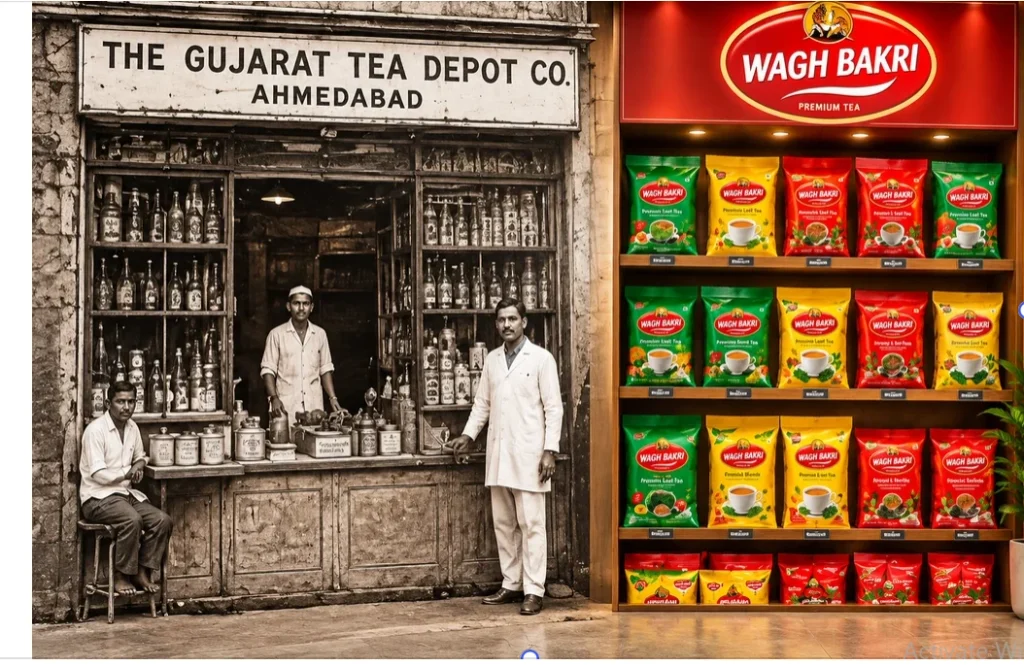
From a Small Shop to a Growing Company
The business began with tea shops and trading. Over time, packaged tea became the main focus.
A turning point came in 1980, when Gujarat Tea Processors & Packers Ltd. was set up. This strengthened packaging, quality checks, and distribution.
From there, the brand grew step by step — into Rajasthan (1997–98), Madhya Pradesh (2002–03), and Maharashtra (2007). It also started exporting in 1992, with the United States as its first market outside India.
This is a good lesson for any business: you don’t need to expand everywhere at once. A strong product, reliable distribution, and consistent trust can carry a brand from one state to many, and eventually to other countries.
Wagh Bakri Business Model
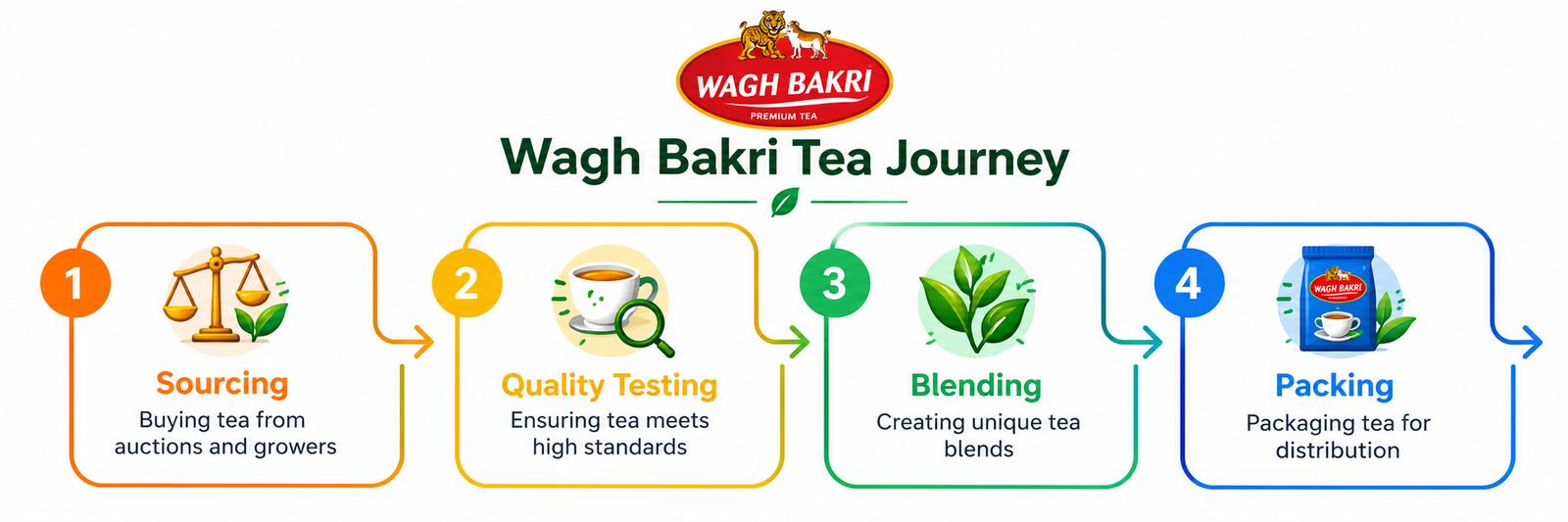
The Wagh Bakri business model is built around sourcing, testing, blending, packing, and selling tea — not growing it. In simple words, this is how it works:
Tea Sourcing → Quality Testing → Blending → Packing → Distribution → Retail → Customer
The company buys tea through government-approved auctions and trusted growers, instead of owning tea gardens itself. This lets it focus on what it does best — picking good tea, blending it well, and getting it to shelves on time.
Product Range
Wagh Bakri’s product line includes:
- Wagh Bakri Tea
- Wagh Bakri Good Morning
- Wagh Bakri Mili
- Green Tea
- Instant Tea
- Tea Premixes
- Other specialised tea products
In total, the company says it now sells more than 30 tea variants.
Why So Many Tea Types?
Not everyone likes the same tea. Some people want it strong, some prefer masala tea, others want green tea or a quick instant cup. By offering many options, Wagh Bakri is able to serve different kinds of customers instead of chasing just one group.
How Wagh Bakri Makes and Delivers Its Tea
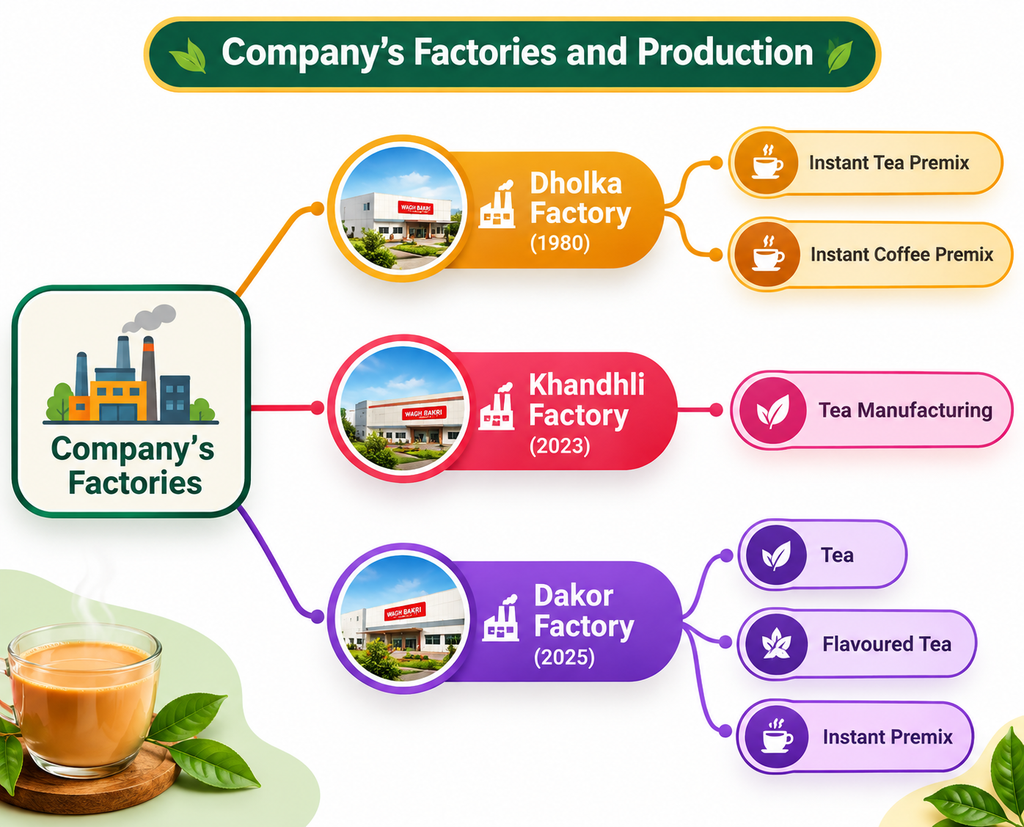
The company’s factories use steel processing systems and automated packing lines to keep every batch of tea fresh and consistent.
Dholka Factory (1980)
This is the oldest factory, known for making instant tea premix and instant coffee premix.
Khandhli Factory (2023)
A newer factory, mainly used for tea manufacturing.
Dakor Factory (2025)
The newest addition, handling tea, flavoured tea, and instant premix products. It shows that even a 100-year-old brand keeps investing in new production capacity.
How the Tea Reaches You
Good products don’t sell themselves — they need to be easy to find. Wagh Bakri has built a strong distribution network across many Indian states and also ships its tea abroad. For any FMCG brand, getting onto the right shelf matters just as much as what’s inside the pack.
Wagh Bakri Marketing Strategy
A Logo People Remember
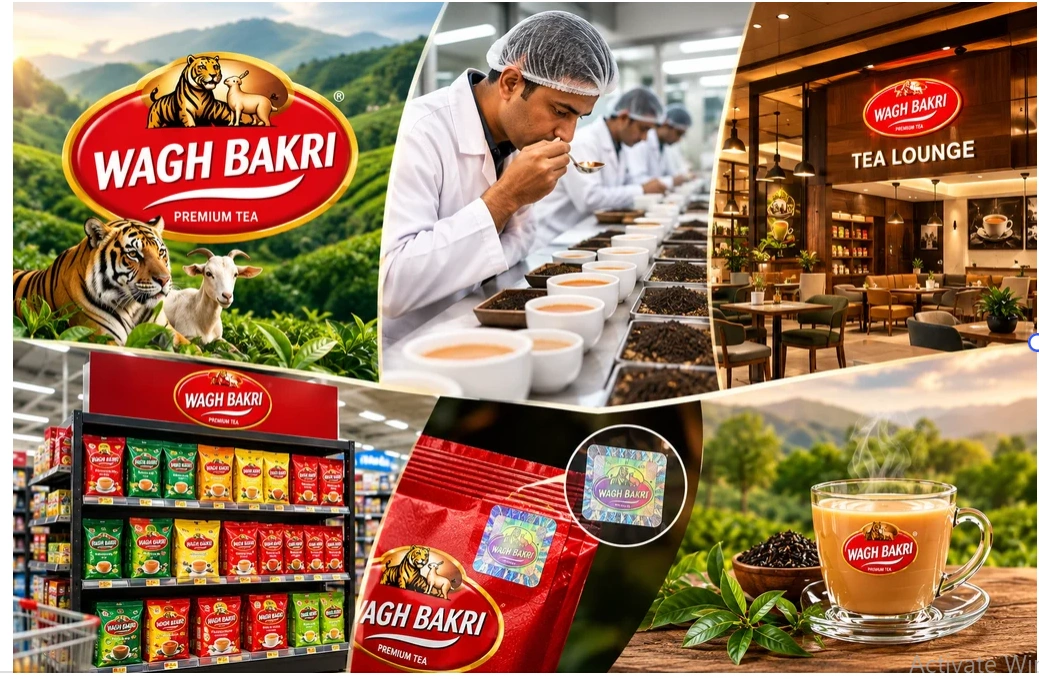
The tiger-and-goat logo is still one of the most recognised symbols in Indian FMCG. It carries a message of unity that has stayed relevant for decades.
Keeping Quality Consistent
Wagh Bakri has stayed focused on tea while still building different products for different buyers. The company says its tea tasters check thousands of cups every day — a quiet but important part of its marketing strategy.
Tea Lounges
In 2009, the brand opened its first tea lounge in Mumbai’s Vile Parle area. This let people experience the brand directly, not just buy it off a shelf.
Being Visible in Big Stores
The company has also worked on getting better shelf visibility in large retail stores like Walmart and Metro.
Packaging That Builds Trust
Packaging is more than just design for Wagh Bakri — it’s also protection. The brand added holographic marks on its packs so customers can spot genuine products and avoid fakes.
Challenges Wagh Bakri Has Face
Competition
India’s tea market is full of local, regional and national brands, so staying relevant takes constant effort.
Changing Tastes
Buyers now want green tea, flavoured tea, premium blends, and instant options. Wagh Bakri has kept adding new products to match this shift.
Fake Products
The company has reported cases of counterfeit packs copying its design, which pushed it to add better anti-fake packaging.
Going Global
Selling in other countries brings new challenges too — different tastes, rules, supply chains, and local competitors.
Wagh Bakri Timeline: Key Milestones
What Entrepreneurs Can Learn From Wagh Bakri
Start With Real Knowledge
Narandas Desai spent years learning the tea trade before starting his own business. Lesson: real experience is often the best foundation.
Earn Customer Trust
Wagh Bakri has always linked its name with quality. Lesson: trust built over years matters more than a quick sale.
Build a Brand People Remember
The tiger-and-goat logo gave the company a lasting identity. Lesson: good branding helps people remember you, even in a crowded market.
Be Willing to Change
The brand moved from trading tea to packaged tea, modern retail, and tea lounges. Lesson: businesses that adapt tend to survive longer.
Think Beyond Your Hometown
Wagh Bakri started in Gujarat and slowly grew across India and abroad. Lesson: you can start small and local while still planning for bigger growth later.
Play the Long Game
This brand’s story spans more than a century. Lesson: real growth takes patience, not shortcuts.
What’s Next for Wagh Bakri
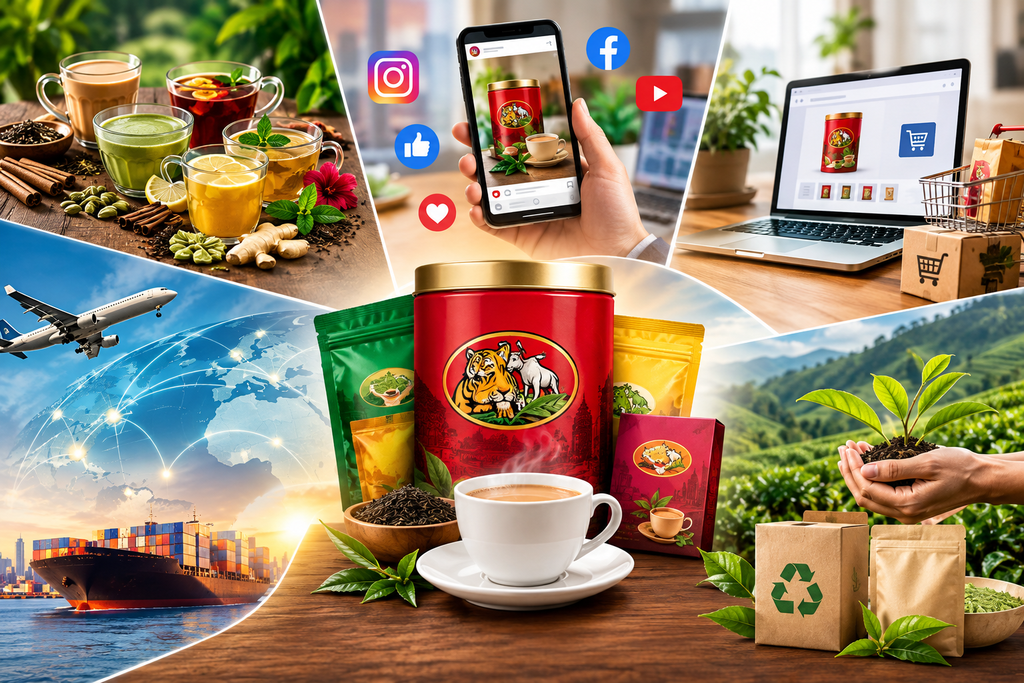
Going forward, Wagh Bakri will likely keep balancing its old, trusted identity with what today’s customers want.
New Products
More flavours, premium blends, and easy-to-use formats are likely on the way.
Digital Marketing
Social media and online ads give a heritage brand new ways to reach younger buyers.
Online Shopping
Selling online can help the brand reach customers beyond regular retail stores.
Growing Abroad
With exports already running, future growth abroad will depend on understanding local tastes and rules in each new market.
Sustainability
Sourcing, packaging, and supply chains are becoming more important to today’s consumers, and Wagh Bakri will need to keep this in mind too.
Conclusion
The Wagh Bakri story is more than just a tea company’s history — it’s a story about starting small, building trust, and growing with patience.
From Narandas Desai’s early days in South Africa, to opening a small shop in Ahmedabad, to registering the Wagh Bakri brand in 1934, the business grew one step at a time. It later moved into packaged tea, expanded across India, entered other countries, opened tea lounges, and kept adding new products.
For anyone starting a business, especially in Gujarat, this story is a reminder of what really matters — building trust, creating a brand people remember, staying close to your customers, adapting when needed, and thinking long term.
FAQs About Wagh Bakri
Who founded Wagh Bakri?
Narandas Desai is credited as the founder. His tea journey began in 1892.
When did Wagh Bakri start?
The story goes back to 1892. The Gujarat Tea Depot Co. opened in Ahmedabad in 1919, and the brand was registered in 1934.
Where did Wagh Bakri start?
In Ahmedabad, Gujarat, where Narandas Desai opened The Gujarat Tea Depot Co. in 1919.
What does the Wagh Bakri logo mean?
The tiger and goat sharing one cup stand for togetherness and unity.
What does Wagh Bakri sell?
Mainly tea and related beverage products, across many variants and formats.
Is Wagh Bakri a Gujarati company?
Yes — its roots are deeply tied to Ahmedabad and Gujarat.
Does Wagh Bakri export tea?
Yes. Exports began in 1992, starting with the United States.
What can entrepreneurs learn from Wagh Bakri?
The story shows the value of branding, consistent quality, customer trust, adapting to change, and thinking long term.