
Intas Pharmaceuticals is one of India’s major pharmaceutical companies, with roots in Ahmedabad and a growing presence across global markets. Its journey combines entrepreneurship, family leadership, scientific investment, manufacturing capabilities and global expansion.
The company has developed from a business founded by pharmacist Hasmukh Chudgar into a vertically integrated pharmaceutical organization involved in research, formulation development, manufacturing and marketing.
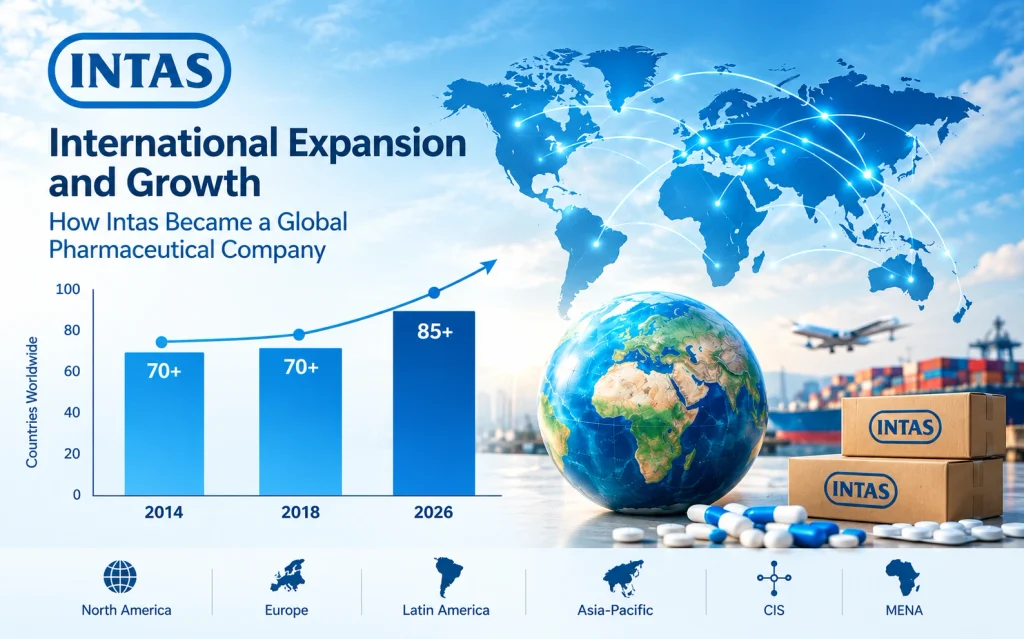
Today, Intas operates across more than 85 countries and has built a significant international presence through its global operations and the Accord Healthcare network.
But the story of Intas Pharmaceuticals is about more than medicines. It is also a story of how long-term investment in people, research, manufacturing, regulatory capabilities and international markets can transform a business.
In this article, we explore the history of Intas Pharmaceuticals, its founder and leadership, business model, medicines and therapeutic areas, R&D and manufacturing capabilities, international expansion, competitive strengths and future growth opportunities.
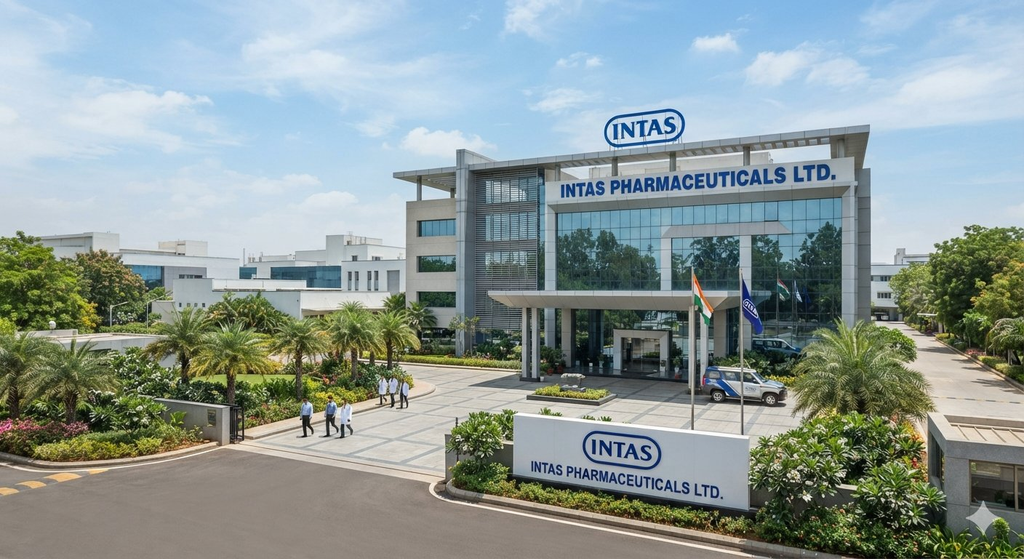
The Beginning of Intas Pharmaceuticals Lab
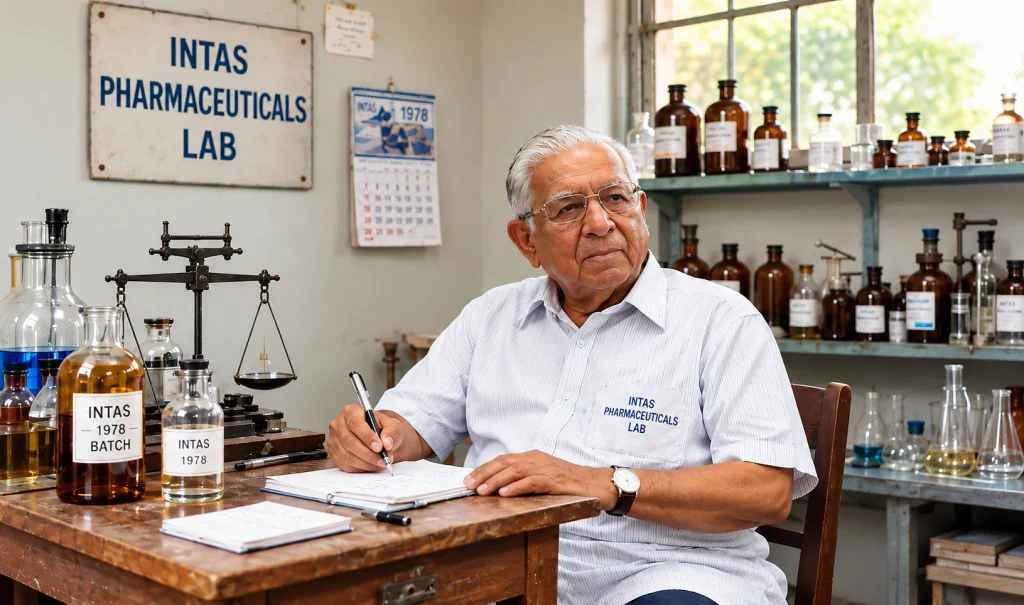
How Did Intas Pharmaceuticals Start?
Every large company begins with a much smaller idea.
The history of Intas Pharmaceuticals goes back to the late 1970s, when pharmacist Hasmukh Chudgar established the business. Intas was later incorporated as a company in 1985.
The early journey was very different from the scale at which Intas operates today. The company had to establish itself in a highly competitive pharmaceutical industry where success depends on much more than selling medicines.
A pharmaceutical company needs scientific expertise, manufacturing capabilities, quality systems, regulatory compliance, distribution networks and a strong understanding of healthcare needs.
Over time, Intas focused on developing these capabilities and gradually expanded its product portfolio, manufacturing infrastructure and research activities.
The Founder: Hasmukh Chudgar
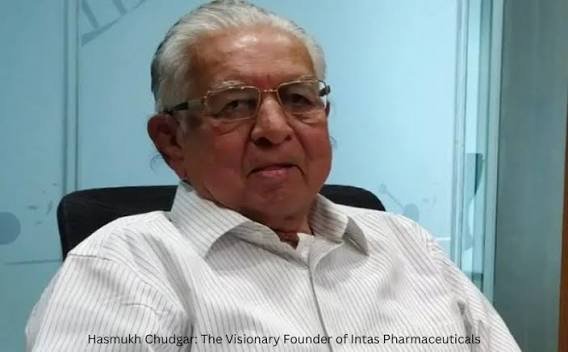
Hasmukh Chudgar is recognized as the founder of Intas Pharmaceuticals.
A pharmacist by background, Chudgar established the foundation of the business in the late 1970s. His entrepreneurial approach focused on building the company for the long term rather than depending only on short-term growth.
The development of Intas demonstrates how a business can grow by continuously investing in capabilities. Manufacturing, research, people, technology and market access gradually became important parts of the company’s strategy
Bringing the Next Generation Into the Business
As Intas expanded, the next generation of the Chudgar family became involved in its management.
Binish Chudgar, Nimish Chudgar and Urmish Chudgar eventually took important responsibilities within the organization.
Their involvement became an important part of the company’s evolution from a domestic pharmaceutical business into an international healthcare organization.
The combination of family leadership, professional management, scientists and specialized teams helped Intas develop capabilities across different areas of the pharmaceutical industry.
Founder, Owner and Leadership
Who Founded Intas Pharmaceuticals?
Hasmukh Chudgar is the founder of Intas Pharmaceuticals.
He established the business in the late 1970s and remained an important figure in the company’s development. His long-term approach helped create the foundation on which the next generation expanded the organization.
Binish Chudgar — Executive Leadership
Binish Chudgar became one of the most important figures in the expansion of Intas.
Historical company material and business profiles have identified him with senior leadership positions including Vice Chairman and Managing Director, while more recent references have identified him as Executive Chairman and Managing Director.
Binish played an important role in pushing Intas toward international markets. The company began exporting to Europe around 2001, and international expansion subsequently became a major part of its growth strategy.
His leadership has also been associated with the company’s expansion into biologics and biosimilars.
Nimish Chudgar — Operations and Leadership

Nimish Chudgar has also played an important role in the management of Intas.
Historical reporting has described him as being responsible for operations and has noted that he served as CEO during an earlier phase of the company’s leadership structure.
Because leadership roles can change over time, historical positions should be distinguished from current executive titles when discussing Intas’ management.
Urmish Chudgar
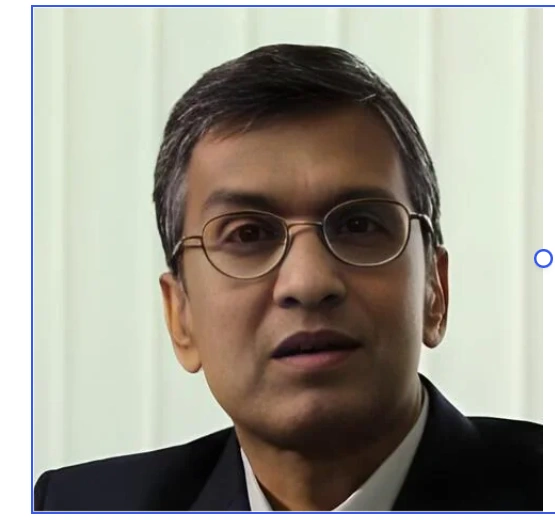
Urmish Chudgar, a hematologist-oncologist, has played an important role in the Chudgar family’s involvement in the pharmaceutical business.
His medical background brought a different perspective to the organization, particularly in understanding the challenges faced by patients and the unmet needs in areas such as cancer treatment. His experience in medicine also helped connect clinical needs with pharmaceutical development, especially as the business expanded into biopharmaceuticals and complex therapies.
Rather than looking at medicines only from a business perspective, his medical understanding provided insight into the problems that doctors and patients encounter in real-world healthcare. His contribution reflects how different areas of expertise within the Chudgar family helped shape the growth and direction of the organization.
A Family-Led Business
The Chudgar family’s involvement is one of the distinctive elements of the Intas story.
However, the company’s growth has not depended only on family leadership. Over time, Intas developed a combination of family management, professional executives, scientists, researchers and specialized teams.
This combination became increasingly important as the company entered international markets and expanded its scientific and manufacturing capabilities.
The Intas Pharmaceuticals Business Model
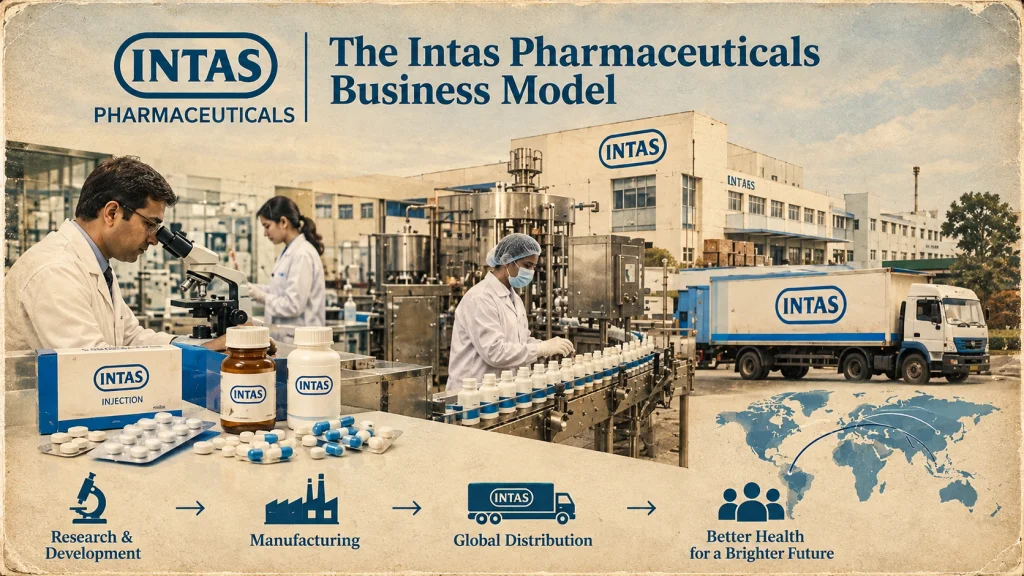
Intas operates through a vertically integrated pharmaceutical business model.
In simple terms, vertical integration means that the company is involved in multiple stages of the pharmaceutical value chain rather than depending entirely on external organizations.
Its capabilities can broadly be represented as:
Research & Development → API Development → Formulation Development → Manufacturing → Regulatory Approvals → Marketing → Distribution
Research and Development
Research and development is one of the important pillars of Intas’ business strategy.
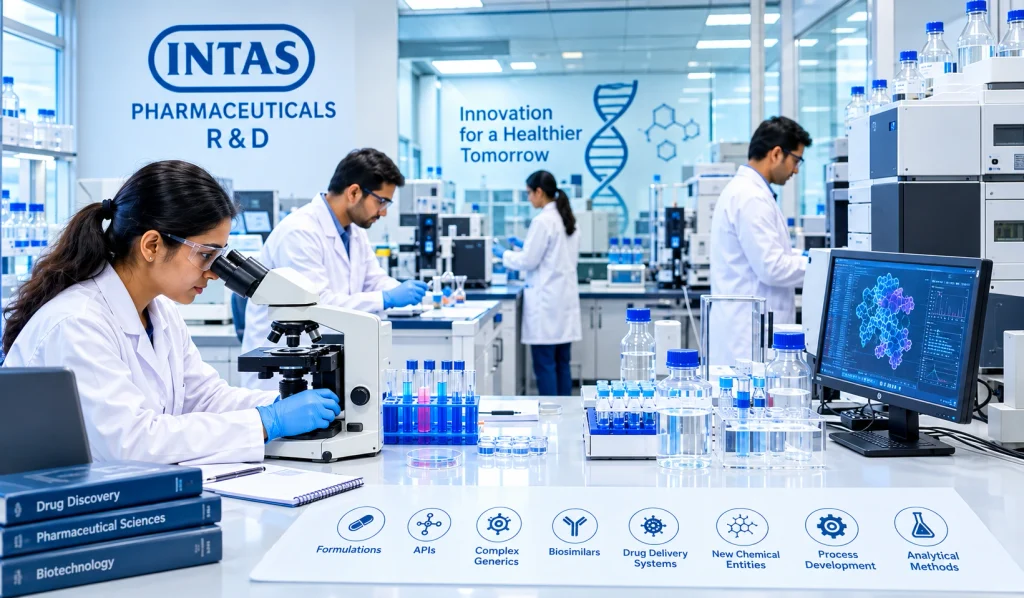
According to company information, its R&D organization includes more than 550 scientists and researchers, with over 100,000 square feet of dedicated R&D space and investment equivalent to around 6–7% of turnover.
Its research activities include:
- Pharmaceutical formulations
- APIs
- Complex generics
- Biosimilars
- New drug delivery systems
- New Chemical Entities
- Process development
- Analytical methods
Manufacturing
After a medicine has been developed, it must be manufactured under strict quality and regulatory requirements.
Intas states that it has 14 manufacturing facilities, with operations across India, the UK and Mexico. Its manufacturing capabilities include APIs, oral solid dosage forms, injectables, biosimilars and plasma products.
Marketing
The next stage involves taking pharmaceutical products into different markets through sales, marketing and commercial networks.
Intas operates internationally through its own structures and the Accord Healthcare network.
Distribution
Distribution is especially important in pharmaceuticals because medicines need to reach hospitals, pharmacies, healthcare institutions and other authorized channels reliably.
The combination of R&D, manufacturing, marketing and distribution forms the foundation of Intas’ vertically integrated business model.
Intas Medicines and Therapeutic Areas
What Does Intas Pharmaceuticals Make?
Intas has developed a broad pharmaceutical portfolio covering multiple therapeutic areas and product categories.
According to its official information, the company has more than 10,000 product registrations worldwide.
Its areas of activity include:
- Central Nervous System
- Cardiovascular
- Diabetology
- Gastroenterology
- Urology
- Oncology
- Haematology
- Immunology
- Neurology
- Nephrology
- Dermatology
- Rheumatology
- Ophthalmology
- Infertility
Its international portfolio has a particularly strong presence in oncology and hospital-based therapeutic areas.
Generic Medicines
Generic medicines are an important part of the pharmaceutical industry.
They can provide patients and healthcare systems with alternatives to branded medicines after relevant patent and regulatory considerations.
Intas has developed expertise in generic formulations as well as more complex pharmaceutical products.
Biosimilars
Biosimilars are another important area of Intas’ pharmaceutical business.
The company has invested significantly in biologics development and manufacturing. Its biologics business began in 2000, with a focus on recombinant DNA protein products and plasma-derived products.
Biosimilars are technically complex products and can play an important role in improving access to biological medicines.
Intas has developed biosimilar products for international markets as part of its broader strategy of focusing on higher-value pharmaceutical segments.
How Intas Works Today
Inside the Modern Intas Pharmaceuticals Business
Creating a pharmaceutical product involves far more than manufacturing tablets or injections.
A typical pharmaceutical development and commercialization process involves several stages.
Step 1: Identifying a Medical Need
The company identifies therapeutic areas where there is a need for effective and accessible treatment options. Understanding patient requirements and unmet medical needs helps guide research and product development.
Step 2: Research
Scientists study the molecule, formulation, delivery method and manufacturing process. Research teams evaluate scientific and technical possibilities before moving into further development.
Step 3: Development
Researchers develop the formulation and conduct the required testing and development work. The objective is to create a product that can meet relevant quality, safety, efficacy and regulatory requirements.
Step 4: Regulatory Process
Pharmaceutical products must satisfy applicable regulatory requirements before they can be marketed in different countries. Intas states that its facilities have approvals from major international regulatory authorities, including the USFDA, MHRA, EMA, TGA, MCC and ANVISA, among others.
Step 5: Manufacturing
Once the required approvals and development processes are completed, products are manufactured in specialized facilities under controlled conditions. Manufacturing quality is critical because pharmaceutical products directly affect patient health.
Step 6: Quality Control
Quality control is required throughout pharmaceutical manufacturing. Companies must maintain defined processes, testing systems and quality standards to ensure that products meet applicable requirements.
Step 7: Distribution and Marketing
Finally, pharmaceutical products are taken into their respective markets through sales, marketing and distribution infrastructure. This completes the journey from scientific research to healthcare delivery.
Intas Manufacturing and Research
The Technology Behind Intas
One of the important reasons behind Intas’ growth has been its investment in scientific and manufacturing capabilities.
The company’s manufacturing network includes facilities capable of producing different types of pharmaceutical products, including:
- APIs
- Tablets and capsules
- Injectables
- Biosimilars
- Plasma products
- Liquids
- Creams
- Drops
- Sterile preparations
Intas states that it has 14 manufacturing facilities, including facilities in India, the UK and Mexico.
API Manufacturing
API stands for Active Pharmaceutical Ingredient. It is the component of a medicine responsible for producing the intended therapeutic effect.
Intas established its first API manufacturing facility in 2007, according to its official pharmaceutical manufacturing information.
The company says its API capabilities are spread across four locations and are supported by international regulatory accreditations. API manufacturing provides greater control over an important part of the pharmaceutical value chain.
R&D as a Growth Engine
Intas describes R&D as an important growth driver.
Its research activities include formulation development, API development, new drug delivery systems, biologics and other specialized pharmaceutical technologies.
The company’s R&D organization has also worked on patents relating to novel formulations, API polymorphs, processes and analytical methods.
This investment becomes increasingly important as pharmaceutical competition moves beyond conventional medicines toward complex generics, biologics, biosimilars and advanced drug-delivery technologies.
International Expansion and Growth
How Intas Became a Global Pharmaceutical Company
One of the biggest transformations in Intas’ history was its expansion beyond India.
International markets became an important part of the company’s long-term growth strategy. According to Business Standard, Binish Chudgar supported international expansion, and Intas began exporting to Europe around 2001.
The company subsequently developed a substantial international presence. Today, Intas says it operates in more than 85 countries, with markets across regions including:
- North America
- Europe
- Latin America
- Asia-Pacific
- CIS
- MENA
Accord Healthcare
Accord Healthcare is a major component of Intas’ international strategy.
Through Accord Healthcare and related international operations, Intas has built a presence across multiple global pharmaceutical markets.
This international structure allows the company to combine Indian scientific and manufacturing capabilities with international commercial and regulatory expertise.
European Growth
Europe became an especially important market in Intas’ international expansion.
The company has developed a diversified European business involving marketing, licensing arrangements, supply agreements and contract manufacturing.
Intas also expanded through strategic acquisitions. One major milestone was the acquisition of the Actavis UK and Ireland business in 2016, which Intas said helped strengthen its position in the UK and Ireland generics market.
The Global Strategy
Intas’ international strategy can broadly be summarized as:
Indian scientific and manufacturing capabilities + international regulatory expertise + global distribution + strategic acquisitions
This combination helped transform Intas from a primarily Indian pharmaceutical business into a global healthcare organization.
What Makes Intas Pharmaceuticals Different?
Several factors have contributed to the development of Intas Pharmaceuticals.
Vertical Integration
Intas operates across multiple stages of the pharmaceutical value chain, from research and development to manufacturing and commercialization. This integrated structure can provide greater control over different parts of the product lifecycle.
Strong R&D
The company’s investment in scientists, research facilities and product development allows it to work on complex formulations, biosimilars and other specialized pharmaceutical products.
Manufacturing Capabilities
Intas has developed a manufacturing network covering multiple product categories and geographical locations. This provides the company with capabilities across APIs, formulations, injectables, biosimilars and other products.
Global Presence
Operations across more than 85 countries give Intas access to a wide range of international pharmaceutical markets. International expansion has become an important part of its overall growth strategy.
Therapeutic Diversity
Intas operates across numerous therapeutic areas. This broad portfolio allows the company to participate in different segments of the healthcare market rather than depending entirely on one therapeutic category.
What Could Be Next for Intas?
The future of pharmaceutical companies will increasingly depend on scientific innovation, complex generics, biologics, biosimilars, advanced manufacturing technology and regulatory capabilities.
Intas has indicated a focus on higher-barrier areas such as biosimilars and New Chemical Entities while continuing to strengthen its global healthcare capabilities.
Several themes are likely to remain important for the company’s future:
- Advanced medicines
- Biosimilars
- Complex generics
- Research and innovation
- Global expansion
- Manufacturing technology
- Regulatory excellence
- Healthcare accessibility
The challenge for any global pharmaceutical company is to continue expanding while maintaining quality, regulatory compliance and patient trust. For Intas, its existing strengths in R&D, manufacturing and international markets provide a foundation for continued growth.
Conclusion: The Intas Pharmaceuticals Journey
The story of Intas Pharmaceuticals is an example of how a company can grow from a relatively small beginning into a global pharmaceutical organization. Founded by Hasmukh Chudgar in the late 1970s, Intas began its journey in Ahmedabad before gradually expanding its capabilities across research, manufacturing, product development and international markets.
Over subsequent decades, the next generation of the Chudgar family, including Binish, Nimish and Urmish Chudgar, played important roles in the organization’s development.
The company’s growth was driven by several major strategic decisions: investing in manufacturing, developing research capabilities, entering international markets, expanding into complex pharmaceutical products and building global commercial capabilities.
Today, Intas describes itself as a vertically integrated pharmaceutical company operating across more than 85 countries. Its capabilities cover research, formulation development, manufacturing and marketing, while its product portfolio includes generic medicines, APIs, injectables, biosimilars, plasma products and other specialized pharmaceutical products.
Perhaps the biggest lesson from the Intas journey is that building a large company requires long-term thinking. The company did not become an international pharmaceutical organization simply by selling more medicines. It built capabilities step by step — research, manufacturing, people, technology, regulatory expertise, international partnerships and market access.
For entrepreneurs and business students, Intas offers an important lesson: a business becomes stronger when it continuously invests in its capabilities while keeping its long-term vision in focus. From its Ahmedabad roots to its international operations, Intas Pharmaceuticals represents a business story built around science, manufacturing, entrepreneurship and global healthcare.
FAQs About Intas Pharmaceuticals
Who founded Intas Pharmaceuticals?
Hasmukh Chudgar is recognized as the founder of Intas Pharmaceuticals. He established the business in the late 1970s and built the foundation for what later became a global pharmaceutical organization.
Where is Intas Pharmaceuticals headquartered?
Intas Pharmaceuticals is headquartered in Ahmedabad, Gujarat, India.
Who is the CEO of Intas Pharmaceuticals?
Intas’ leadership structure has evolved over time, and historical sources have associated different Chudgar family members with CEO and other senior executive roles. For this reason, the current CEO should be verified against the company’s latest official leadership information before publishing a specific current title.
What does Intas Pharmaceuticals manufacture?
Intas develops and manufactures a wide range of pharmaceutical products, including generic medicines, APIs, tablets and capsules, injectables, biosimilars, plasma products, liquids, creams, drops and other specialized pharmaceutical products.
Is Intas Pharmaceuticals a global company?
Yes. Intas states that it operates across more than 85 countries, with international markets spanning North America, Europe, Latin America, Asia-Pacific, CIS and MENA regions.